

INDUSTRIES WE WORK IN
Machine Safety & Risk
Engineering for General
Manufacturing
From forming and assembly lines to packaging and material handling, manufacturing
sites run a wide mix of machinery, ages and processes under one roof. TEG Risk
helps you manage that complexity with independent, practical risk assessments
and safety engineering.
One site, many machines, one safety standard
Manufacturing plants rarely run a single type of process. A typical site might combine forming or moulding equipment, conveyors and automated material handling, packaging lines, and a workshop's worth of ancillary machinery, often installed across different decades and to different standards. Add multiple shifts, contractors on site, and pressure to keep production running, and machine safety becomes a constant balancing act rather than a one-off project.
TEG Risk works as an independent, engineering-led partner to manufacturers across New Zealand. We're not tied to any equipment supplier, so our assessments and recommendations are built around what keeps your people safe and your line running, not what's easiest to sell you.
Safety services for manufacturing sites:
- Machine safety risk assessments.
- Machine guarding and safeguarding design.
- Safety in design reviews for new plant, lines and upgrades.
- Legacy and mixed-vintage equipment risk assessments.
- Hazardous area and combustible dust assessments (where relevant to your process).
- MinRisk-supported, ongoing risk management.
Industry specific requirements
What makes machinery risk different in
general manufacturing
Mixed and legacy machinery
Most manufacturing sites are built up over years, not designed from scratch. That means new, compliant equipment sitting alongside legacy machines that predate current standards, each needing its own risk profile.
Multiple processes under one roof
Forming, cutting, assembly and packaging each carry different hazards. A safety approach that works for one process rarely transfers cleanly to the next, so assessments need to be process-specific, not generic.
Multi-site consistency
Manufacturing groups with several sites need the same standard of risk assessment and the same safety expectations applied everywhere, not a different approach at every plant.
Frequent plant changes
New lines, retrofits and equipment upgrades are constant in manufacturing. Every change is an opportunity to introduce new risk, or to fix it, if safety is considered early.
Regulatory compliance
Manufacturers need to demonstrate compliance with the Health and Safety at Work Act and machinery standards such as AS/NZS 4024, in a way that holds up to scrutiny from regulators, insurers and head office.
Workforce and contractor safety
Manufacturing sites bring together operators, maintenance teams and contractors, often from multiple trades, working around the same machinery. Clear, well-communicated safety controls matter as much as the engineering itself.
Services offered
How we work with manufacturers
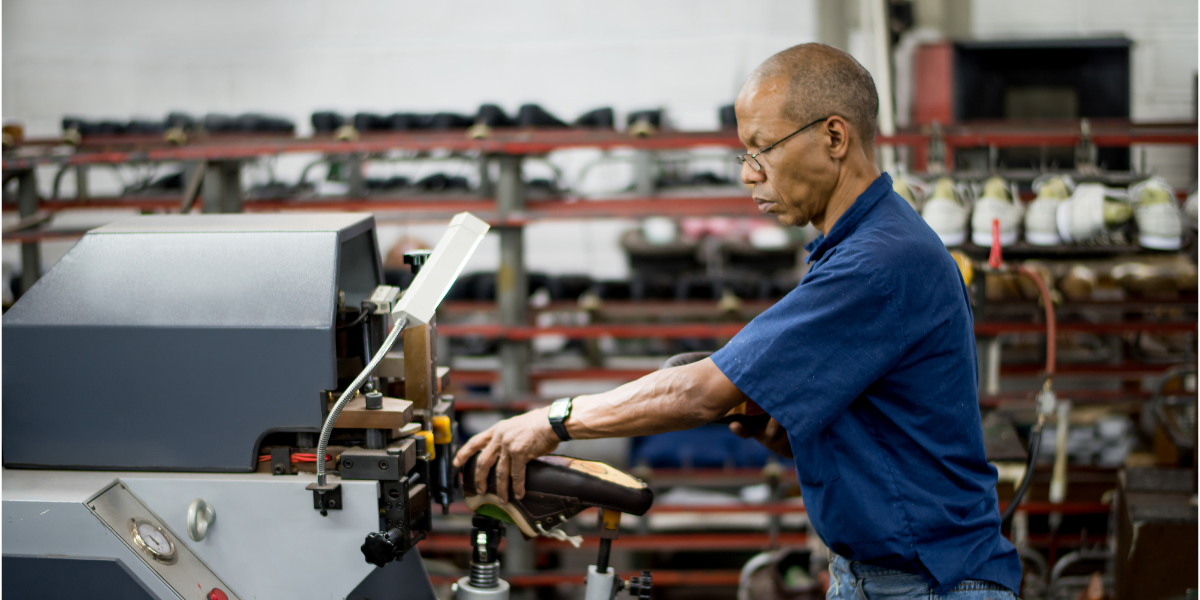
Machine Safety Risk Assessment
A structured, standards-based assessment of your machinery, identifying hazards and practical controls, so you know exactly where your risk sits and what to do about it.
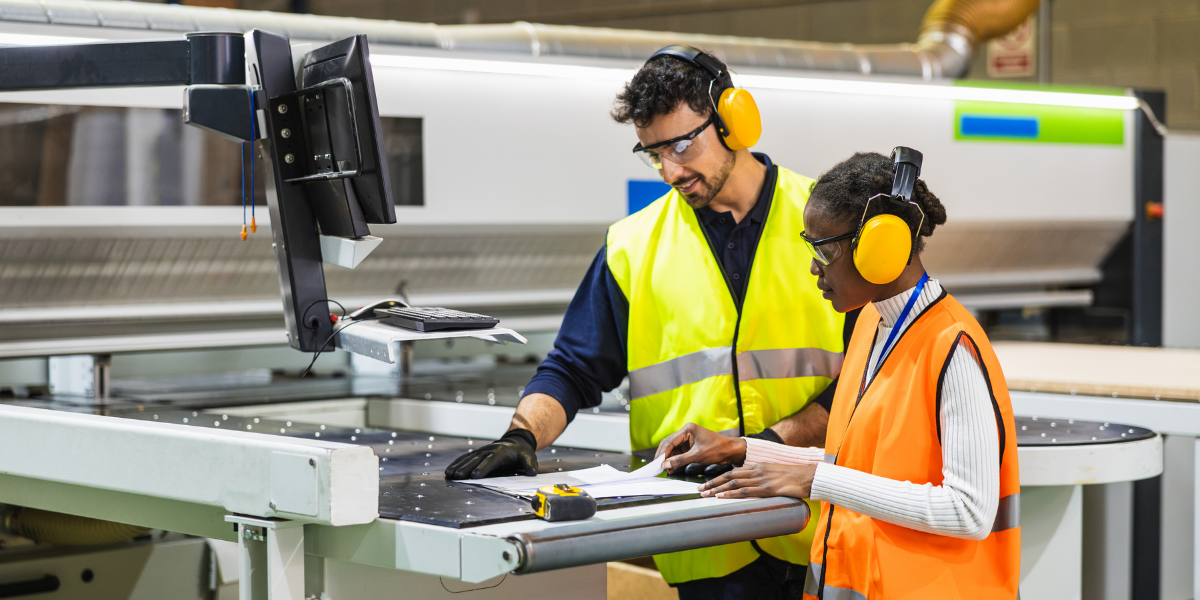
Machine Guarding & Safeguarding Design
Guarding and safeguarding solutions designed to suit your equipment and your operators, not a generic fix bolted on after the fact.
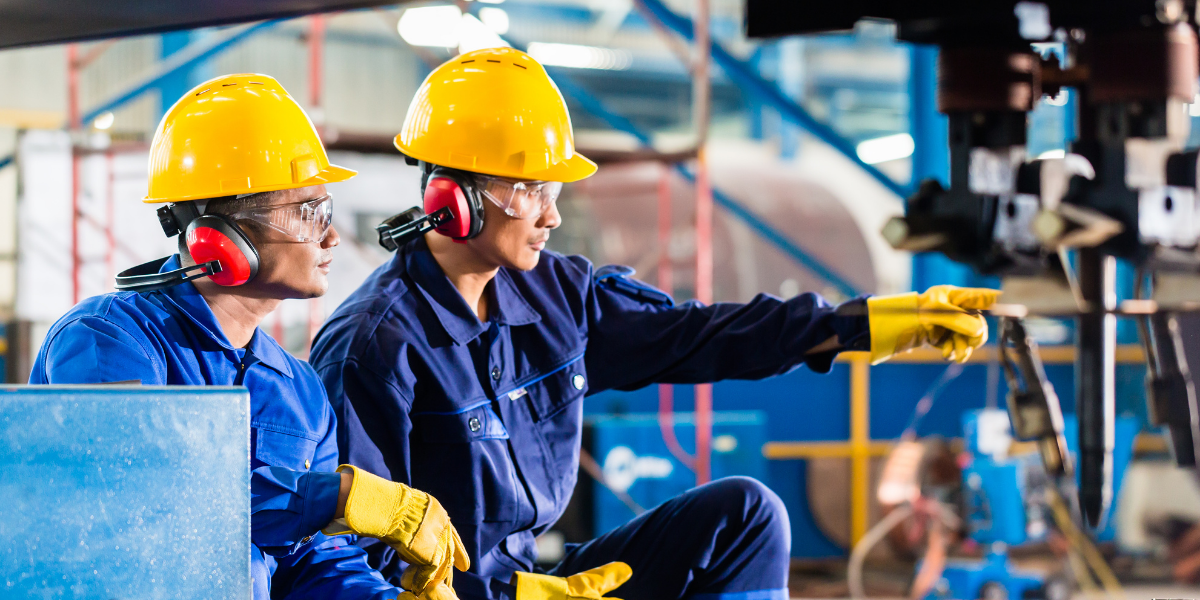
Safety in Design & Pre-Purchase Review
We review new lines, plant and equipment before they're built or bought, so safety is designed in from the start rather than retrofitted afterwards.
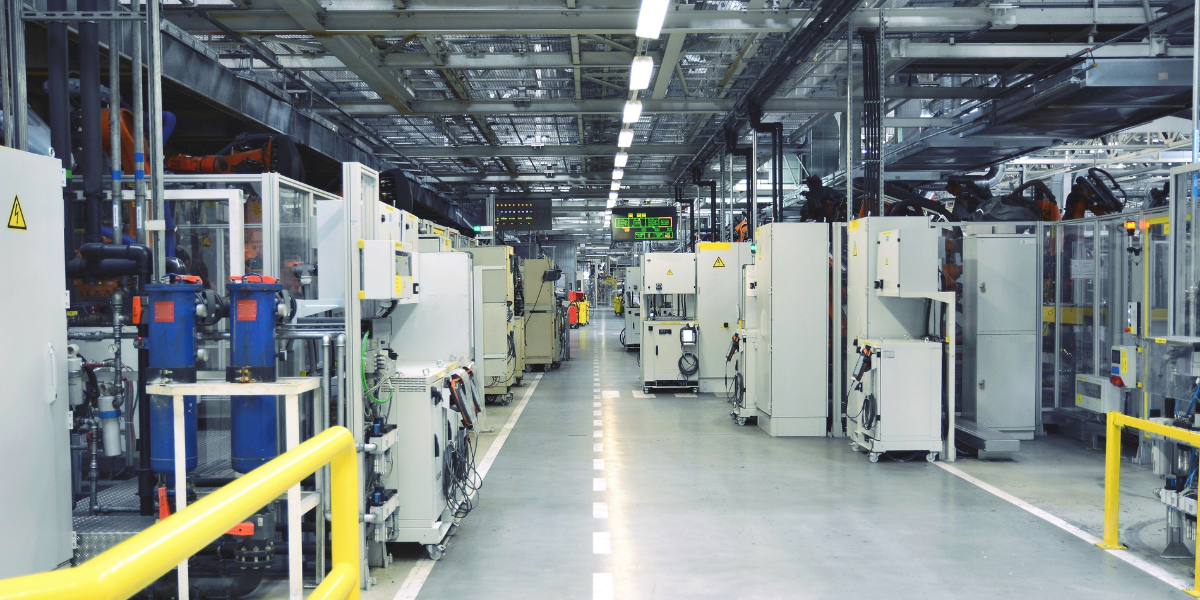
Legacy Equipment Risk Assessment
MinRisk Platform
Our own risk assessment software gives your team mobile access to hazard information, controls and lockout/tagout details, keeping risk data current and accessible on the floor.
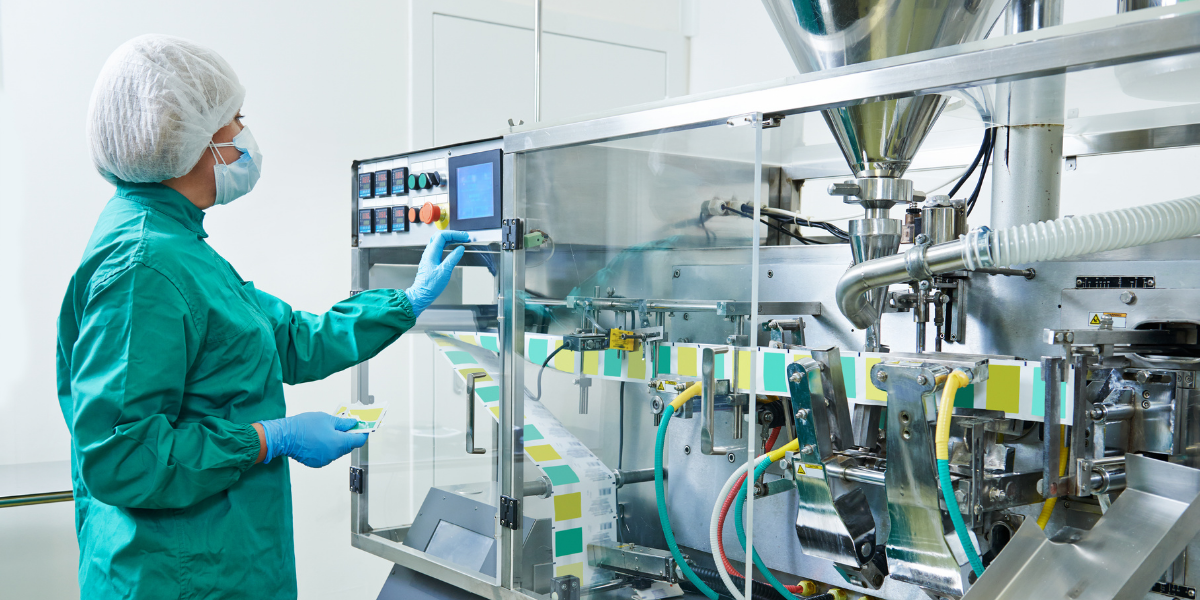
Safety in Design for a Major Greenfield Manufacturing Plant — Winstone Wallboards
When Winstone Wallboards built its greenfield GIB plasterboard plant at Tauriko, the challenge went well beyond a single risk assessment. Equipment was being sourced from suppliers across Europe and North America, and every machine needed to meet New Zealand safety standards before it ever reached the site. TEG Risk was involved from pre-procurement through to commissioning, assessing over 650 individual machines and consolidating them into around 300 functional groups, with safety controls captured in MinRisk for ongoing management.
Why Choose TEG Risk For Your Manufacturing Site?
Independent and unbiased
We don't sell equipment or guarding products, so our recommendations are built around your risk, not a product catalogue.
Experience across manufacturing sectors
From plasterboard to pallets to ports, we've worked across a wide range of manufacturing and industrial environments, so we understand how machinery risk plays out in practice.
Built for production reality
We know assessments need to work around live production, shift patterns and commercial pressure, so our approach is designed to be practical, not disruptive.
We work around your production
We tailor our process and reporting to suit your team, scheduling site work around your production commitments and planned shutdowns to minimise disruption.
Case Studies
TEG Risk is proud to support the machine safety and safety engineering practices of leading manufacturing companies throughout Australasia and the Middle East.
From machine safety guarding assessment to validation to hazardous areas management, we offer practical, relevant and comprehensive solutions.

How Do You Manage Combustible Dust and Process Safety Risks When Expanding Sugar Storage Capacity?
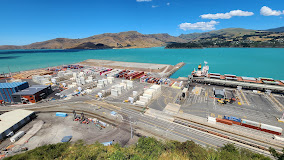
Conveyor System Safety Engineering Design Lyttelton Port Company
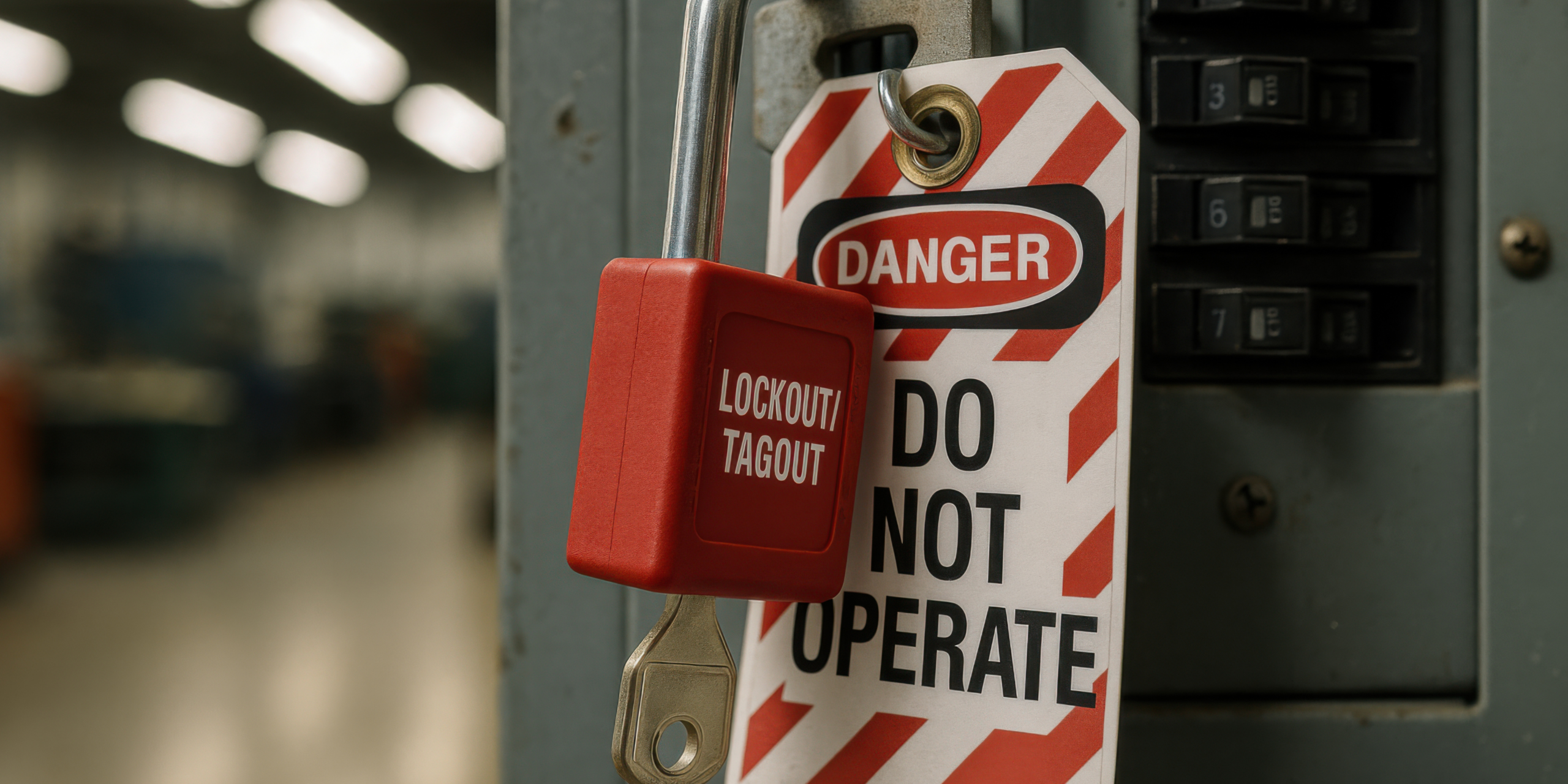
Scaling Machine Risk Assessments and Hazardous Energy Control Across for Coca-Cola Europacific Partners NZ
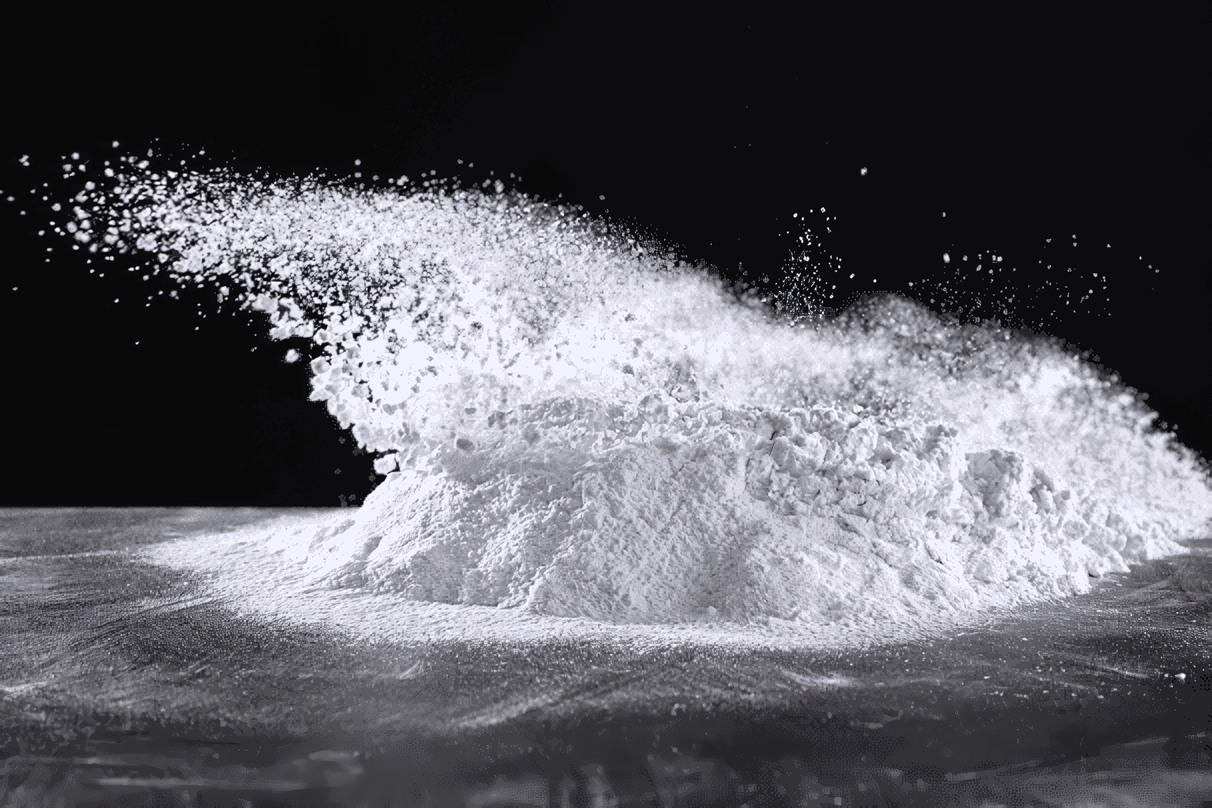
Strengthening Combustible Dust Risk Management In A Major Flour Milling Operation
What's involved in a machine risk assessment for a manufacturing site?
We assess your machinery against relevant standards (typically AS/NZS 4024) and the Health and Safety at Work Act, identifying hazards, existing controls, and any gaps, with practical recommendations you can act on.
Can you work across multiple sites or business units?
Yes. We regularly support manufacturers with several sites, applying a consistent assessment methodology and using MinRisk to keep risk data comparable and current across the group.
What standards do you assess against?
Primarily AS/NZS 4024 (machinery safety) and the Health and Safety at Work Act, alongside any process-specific standards relevant to your equipment, such as combustible dust or hazardous area requirements.